

PES Impact Report

College of Agricultural, Consumer,
and Environmental Sciences
Department of Plant and Environmental Sciences Profile
https://pes.nmsu.edu • (575) 646 - 3405
Mission Statement
The P.E.S. mission is to improve the quality of life for the citizens of New Mexico, the United States and globally, through teaching, research, outreach, and service in the study and application of plant and environmental sciences relevant to agriculture, food and fiber production and environmental sustainability.
Selected Program Impacts
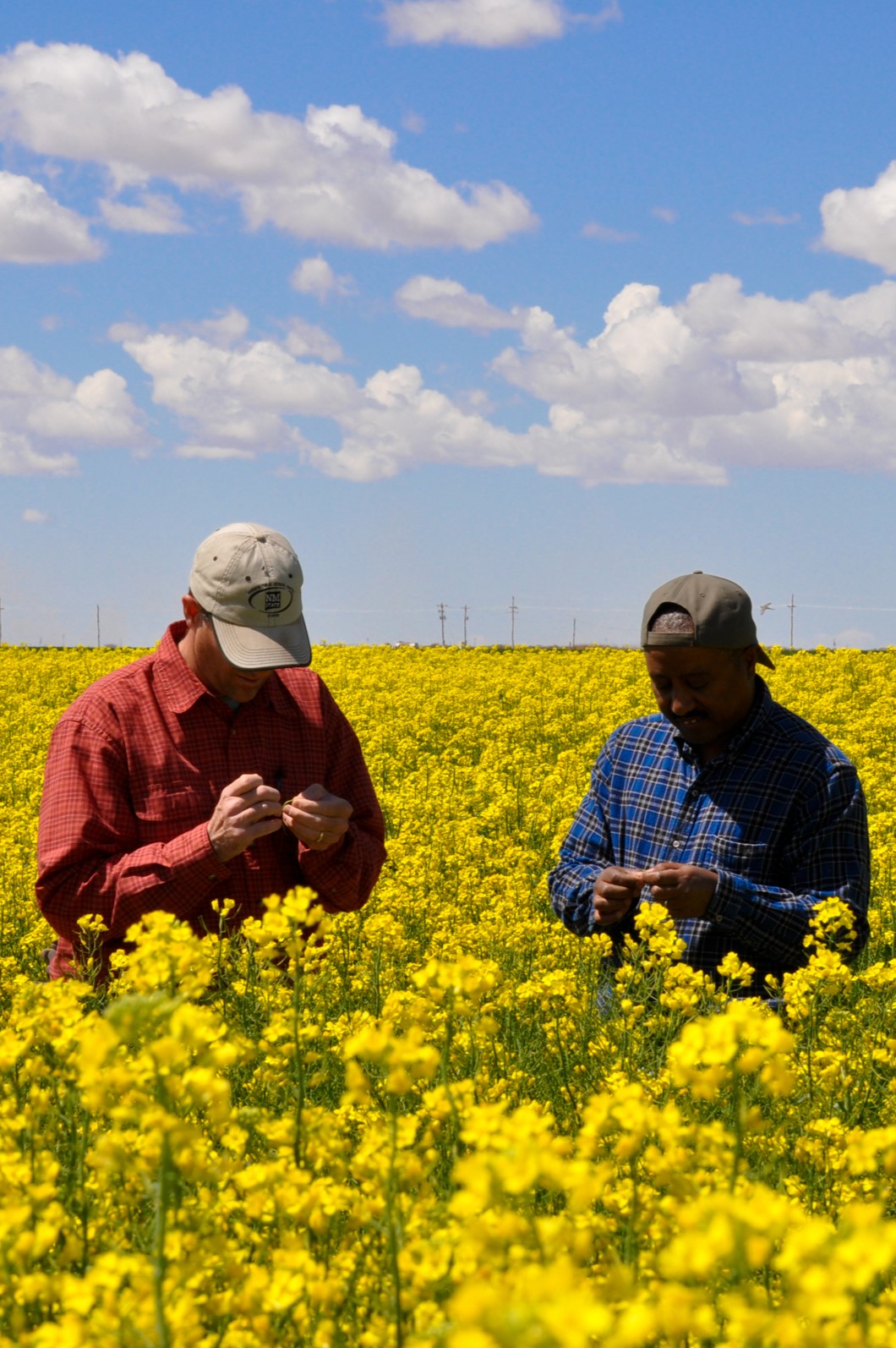
- Water Efficient, low input, adaptable, and alternative crops to diversify cropping systems in the Southern High Plains. The Ogalla Aquifer, the major irrigation resource for the Great Plains, is declining rapidly. If current use of the aquifer continues, more than 35% of irrigated acreage producing $2.5 Billion worth of agricultural products will be dryland farming in less than two decades. Our research on alternative crops like winter canola, safflower, and guar is developing rotational cropping systems that require less irrigation and are more economically viable, resource efficient, and climate resilient.
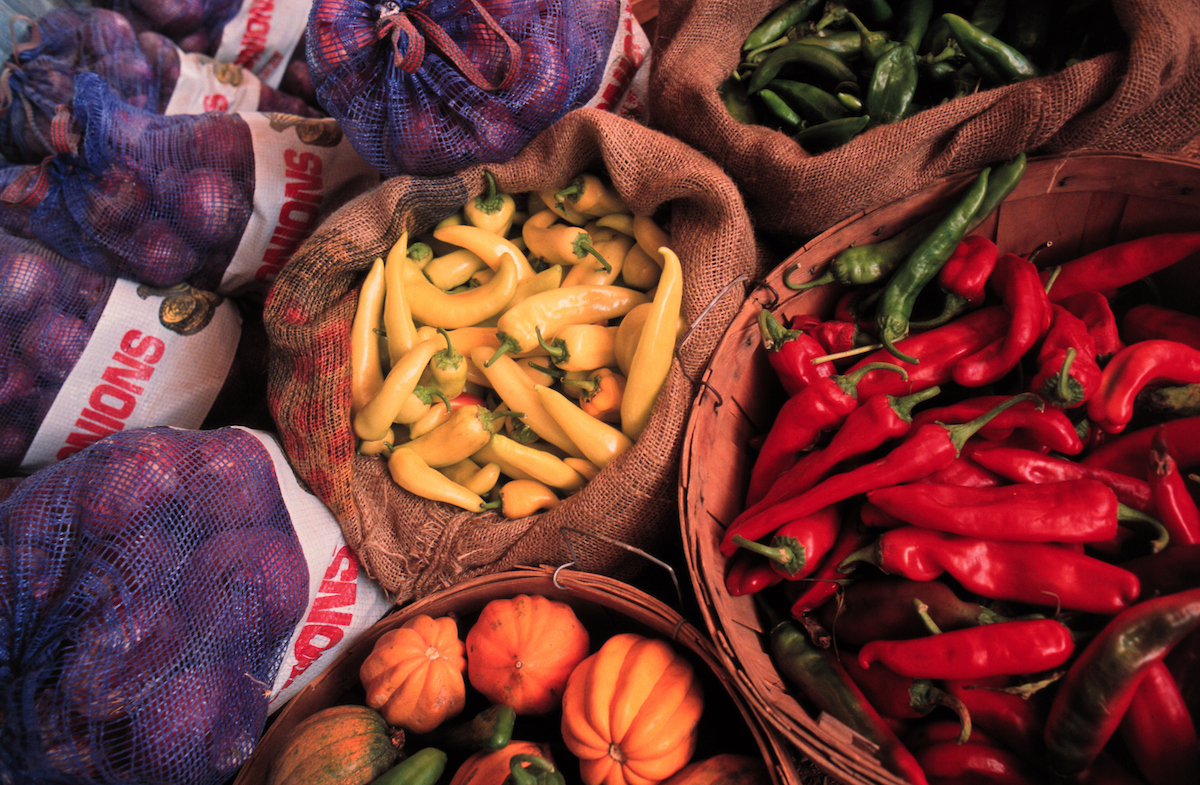
- Genetic Improvement of Chile Pepper (Capsicum) Germplasm for New Mexico. Breeding new, higher yielding, pest and disease resistant, heat and drought tolerant chile pepper cultivars will preserve New Mexico’s heritage and ensure economic development. In New Mexico, chile pepper processing is a nearly $500 million industry. Chile wilt caused by Phytophthora capsici and Verticillium dahliae can destroy entire fields. Resistant cultivars, which do not add cost to the seed, are arguably the best way to manage disease. For the plant breeder, finding molecular markers linked to resistance genes can obviate the need for testing to identify resistant individuals from early generations, leading to an effective breeding procedure. The increase of efficiency can reduce the time needed for a breeding program by years, saving thousands of dollars. In recent years, our program has published a molecular marker for verticillium wilt resistance that has been used by seed companies worldwide.
Faculty and Areas of Expertise
Agronomy and Soils
- Sangamesh Angadi, crop physiology
- Colby Brungard, pedology
- Kenneth C. Carroll, water supply, environmental remediation, chemical fate
- Murali Darapuneni, semi-arid cropping systems
- Koffi Djaman, soil and water resources, irrigation engineering
- Rajan Ghimire, soil quality, soil fertility, conservation systems
- Kulbhushan Grover, agroecology, sustainable crop production
- John Idowu, extension agronomist; agronomy and land management
- Xiufen (Sophia) Li, soil microbiology, soil health, soil fertility
- Mark Marsalis, extension agronomist; forage agronomy
- Srinivasa Rao Pinnamaneni (Sri), resilient cropping systems
- Richard Pratt, cropping systems research and outreach, cover crops
- Naveen Puppala, peanut breeding and variety development
- Saeid Zehtab Salmasi, sustainable crop production, medicinal plants
- Blair Stringam, biological and agricultural engineering
- April Ulery, soil chemistry, soil mineralogy, phytoremediation, soil quality
- Tiantian Zhou, soil physics, hydrological processes, transport modeling
Environmental Science
- Owen Burney, silviculture and forest biology
- Kenneth C. Carroll, water supply, environmental remediation, chemical fate
- Maria Chavez, ecology and agroecology
- David Dubois, state climatologist; atmospheric science
- Brandon Edwards, geomorphology, aeolian processes, hydrology
- Rajan Ghimire, soil quality, soil fertility, conservation systems
- Niall Hanan, dryland ecology, remote sensing, modeling
- Omar Holguin, biochemical analysis
- Jennifer Peters, plant hydraulics, environmental stressors, forest ecophysiology
- Caitriana Steele, climate change on agriculture, rangelands, and forests
- Blair Stringam, biological and agricultural engineering
- April Ulery, soil chemistry, soil mineralogy, phytoremediation, soil quality
- Tiantian Zhou, soil physics, hydrological processes, transport modeling
Genetics and Biotechnology
- Mohammad Abdullah Al Bari, alfalfa breeding, genetics, and genomics
- Chris Cramer, plant breeding, quantitative genetics, crop production
- Paulo Izquierdo, quantitative genetics, QTL mapping, genomic prediction
- Dennis Lozada, genomic selection, marker assisted breeding, chile breeding
- Richard Pratt, cropping systems research and outreach, cover crops
- Naveen Puppala, peanut breeding and variety development
Horticulture and Turf Science Management
- Chris Cramer, plant breeding, quantitative genetics, crop production
- Ryan Goss, turfgrass science and management
- Ivette Guzman, organic horticulture and functional foods
- Richard Heerema, extension horticulturist; pecan specialist
- Israel Joukhadar, controlled environment agriculture and crop production
- Bernhard Leinauer, turfgrass specialist
- Kevin Lombard, horticulture
- Dennis Lozada, genomic selection, marker assisted breeding, chile breeding
- Geraldine Diverres Naranjo, extension viticulture specialist
- Marisa Thompson, extension urban horticulture specialist
- Stephanie Walker, extension vegetable specialist
- Shengrui Yao, extension fruit specialist; pomology